

Somewhere in the first hour, a claim gets out ahead of everyone competent to check it. It is arresting, it is not quite true, and it is moving faster than a reply could travel. What eventually arrives, if anything does, is a short annotation fixed t...
Read More


In 1917 Albert Einstein added a term to his field equations whose only job was to hold the universe still. The equations, left alone, would not permit a static cosmos. They described one that expanded or contracted. Einstein regarded that as a defec...
Read More

Follow a question of responsibility far enough and something odd happens. It does not get answered. It gets passed. The driver was not at fault; the system was driving. The system did not decide; it scored a cost function. The engineers did not choo...
Read More

Nine minutes after it left a particular slab of concrete, a booster stage is standing on it again, having descended through the sky it went up through and slowed itself to a stop. None of that is improvisation and none of it is luck. Orbital mechani...
Read More

Fiṭra is an Arabic term from Islamic theology, and the usual English rendering, "human nature," loses almost everything that makes it interesting. This article explains what the concept claims, how it is disputed within Islamic scholarship, ...
Read More

In section 125 of The Gay Science, a man carries a lantern into a bright marketplace and announces that God is dead. The crowd laughs. They are already unbelievers, which is precisely why the scene matters: Nietzsche was not merely telling religious...
Read More

Nietzsche did not treat nihilism as the final truth of the world. He treated it as the crisis produced when inherited values lose their authority and no new source of value has taken their place. The death of God begins the sequence; it does not com...
Read More
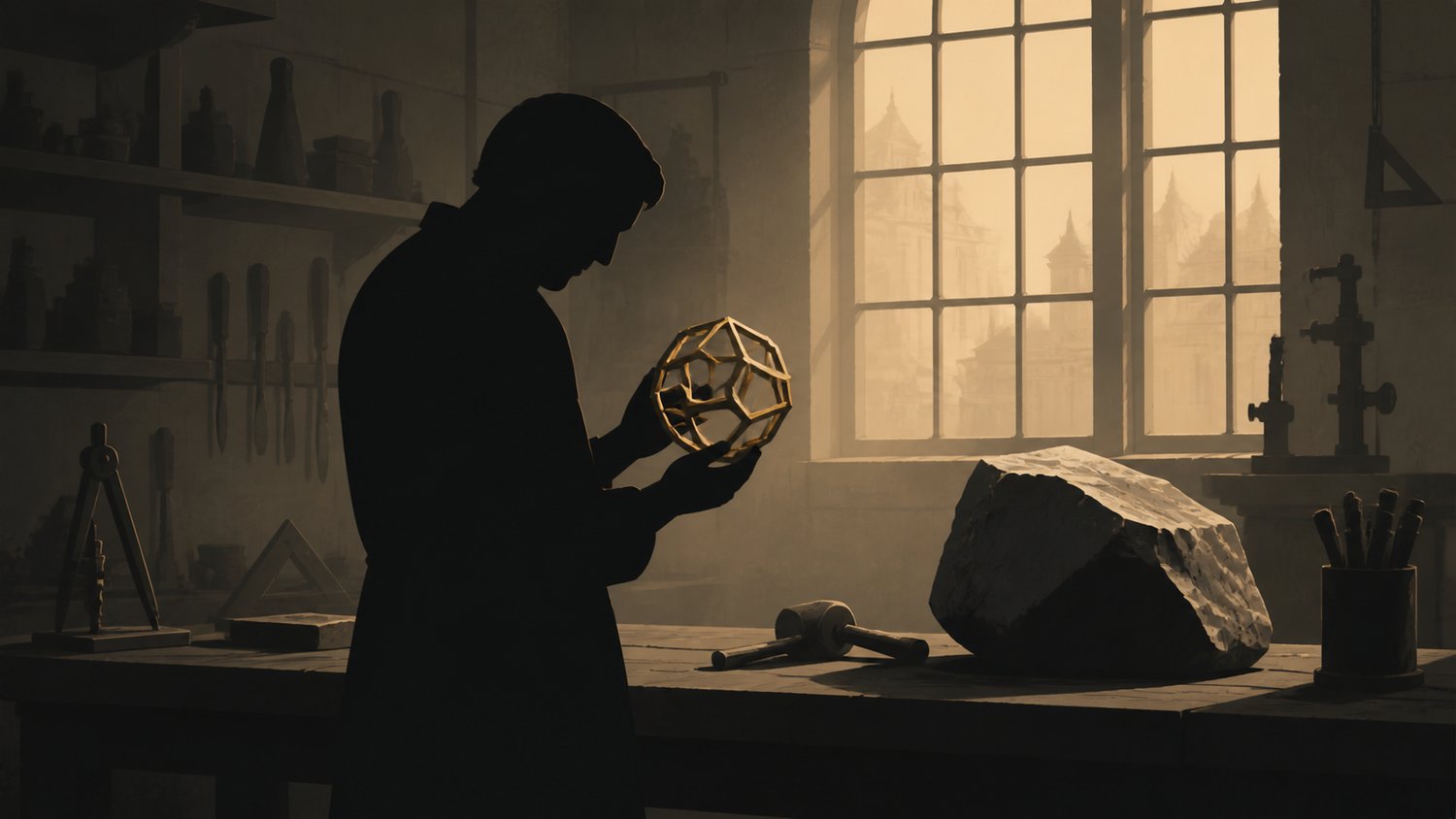
A person can choose a project, love someone, build a craft, keep a promise, and find life changed by that commitment. In that ordinary sense, human beings plainly create meaning. Nietzsche’s stronger claim is harder: after the collapse of a given mo...
Read More
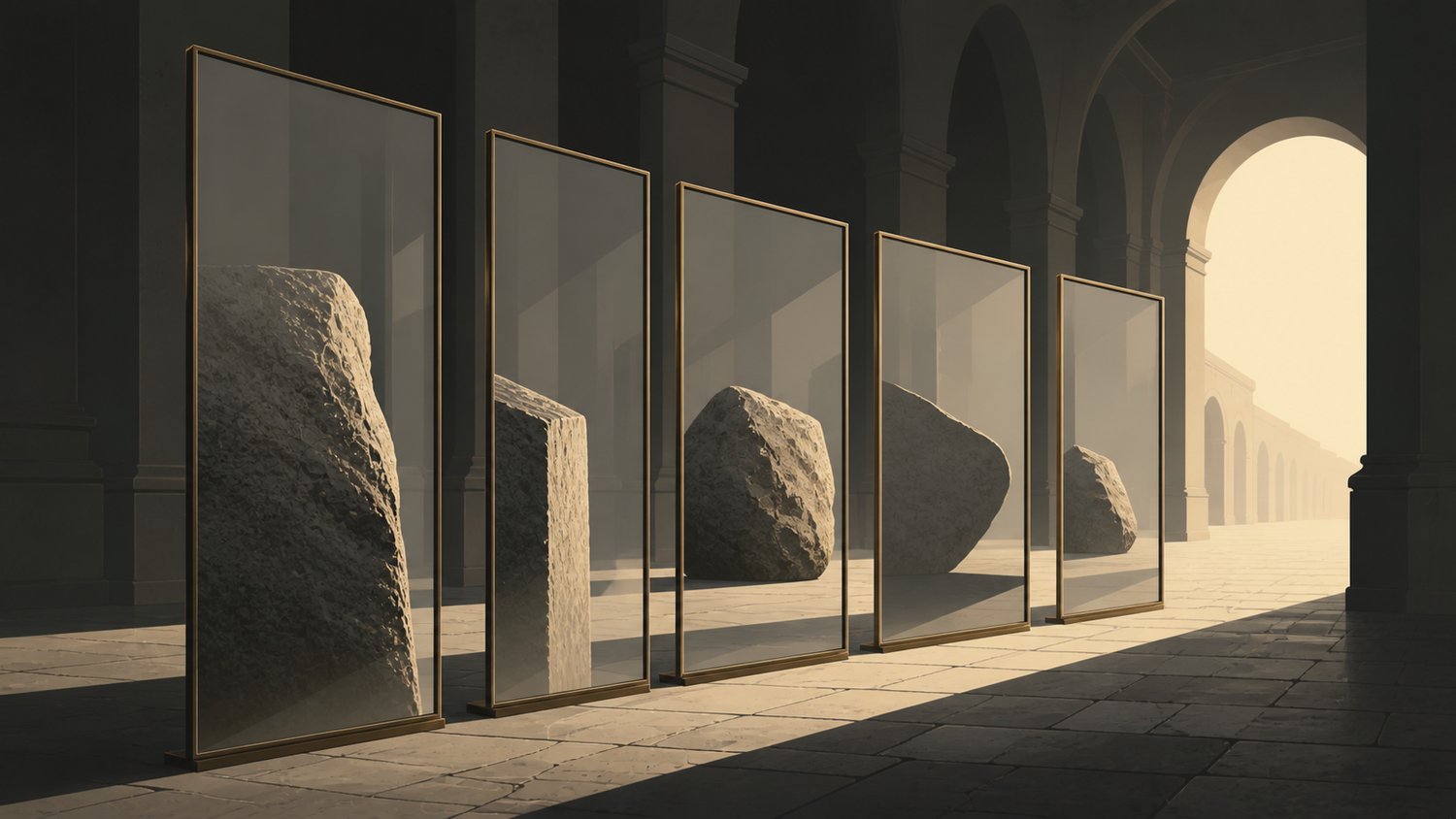
Move three steps to the left and the object changes shape. The object has not become imaginary; your access to it has changed. Nietzsche’s perspectivism begins from that ordinary fact and extends it into a discipline of thinking: every act of knowin...
Read More

A child asks who made the stars before he can define causation. A person wronged says “that should not have happened” before constructing a moral theory. In Islamic thought, fitrah names the original human disposition within which recognition of the...
Read More

Scientism is the belief that empirical science is the only genuine source of knowledge, or at least the final court before which every meaningful claim must appear. Science is a disciplined way of investigating the natural world. Scientism is a phil...
Read More
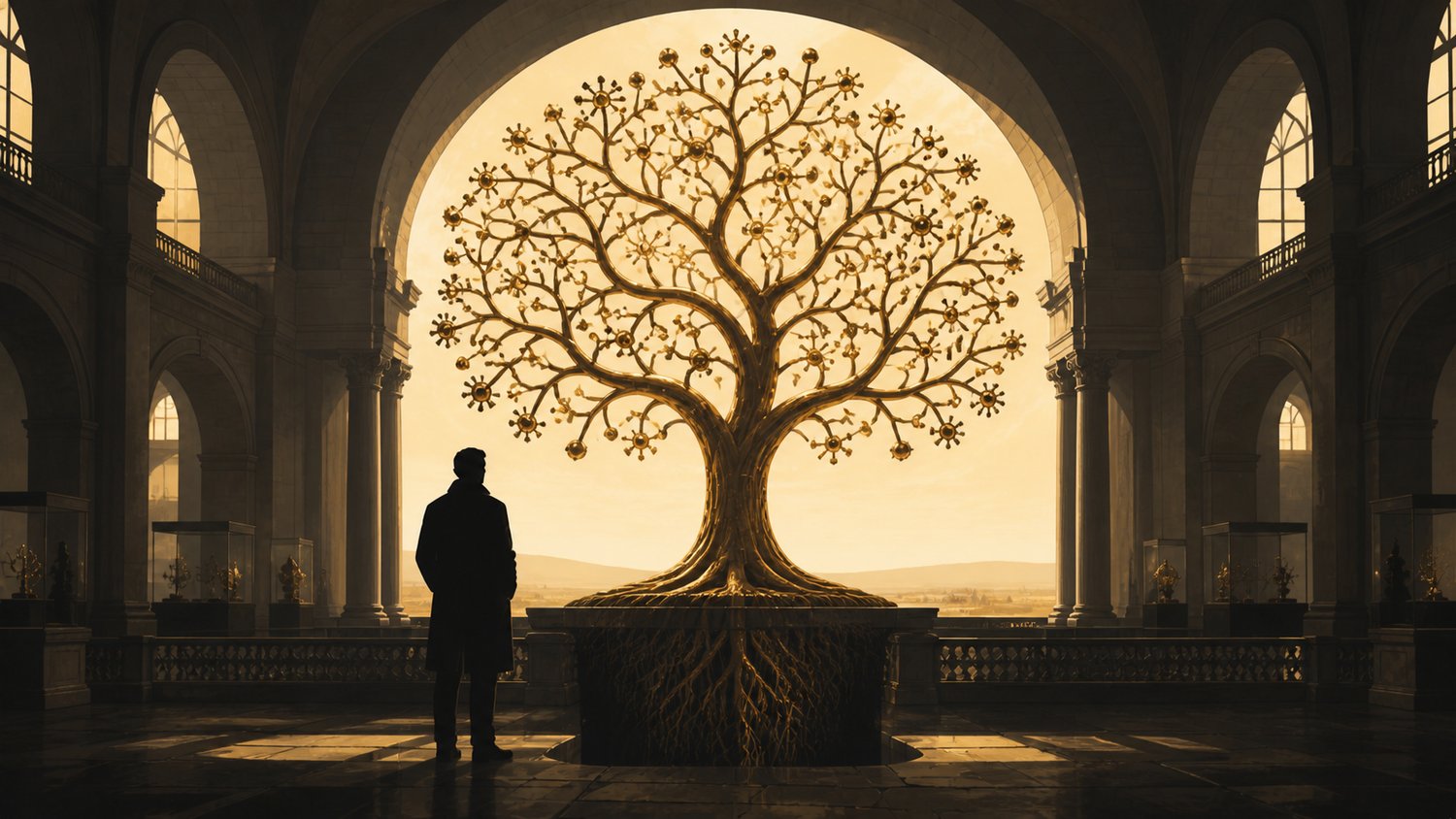
Evolution does not, by itself, disprove God. Evolutionary biology explains how populations change, diversify, and share ancestry through processes that include natural selection, mutation, genetic drift, and migration. Whether the whole natural orde...
Read More
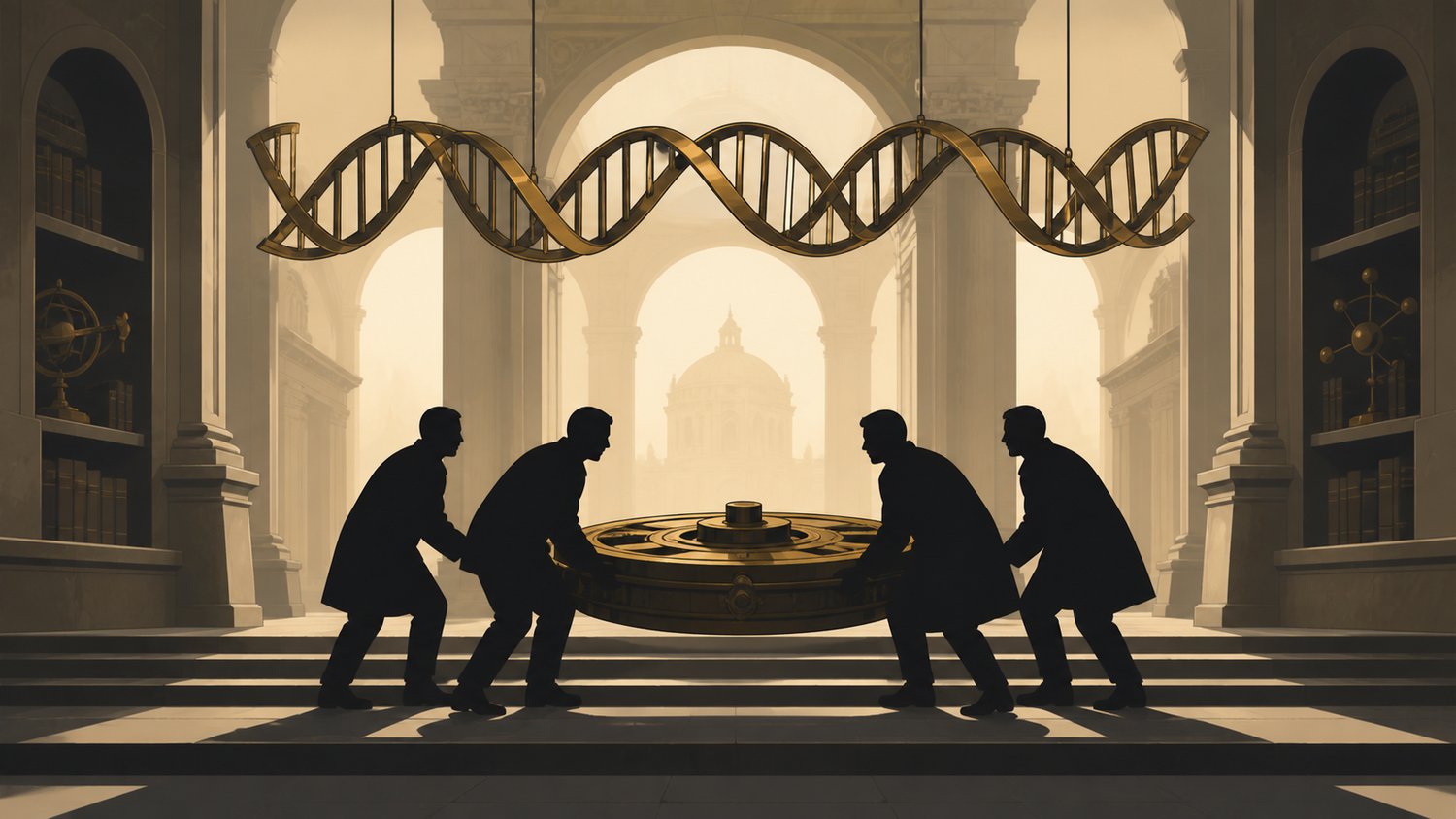
The “selfish gene” is a metaphor for a gene-centered view of evolution: genetic variants that are especially successful at being copied tend to become more common across generations. It does not mean that genes think, desire, or make moral choices. ...
Read More
God is not a scientific hypothesis in the ordinary sense of a testable natural mechanism. Classical theism does not propose God as one more object inside the universe, competing with genes, gravity, or chemistry. It proposes God as the transcendent ...
Read More

Evolution can help explain how human capacities for cooperation, moral emotion, language, and purpose-seeking developed. That causal history does not, by itself, establish which moral judgments are true or whether life has objective meaning. Origins...
Read More